

Table of Contents
- What Makes Home Decor Timeless
- Timeless Interior Design Ideas That Work Room by Room
- How to Pick a Decorating Style That Endures
- Natural Materials in Interior Design for Lasting Appeal
- Mixing Vintage and Modern Decor Without Dating Your Space
- The Durability Test: Will This Purchase Age Well?
- Budget Tiers and Smart Prioritization
- Sustainability and Secondhand Sourcing for Timeless Pieces
- Frequently Asked Questions
Last Updated: October 12, 2026
What Makes Home Decor Timeless
Timeless home decor transcends seasonal trends. It's built on enduring principles: quality materials, restrained color palettes, clean lines, and purposeful craftsmanship that age gracefully rather than looking dated within a season or two.
The difference between a room that feels current in 2026 and one that will feel current in 2035 comes down to intentionality.
The real challenge is making those choices in practice, standing in a store or scrolling an endless catalog. How do you know if a piece will age well? How do you balance personal style with longevity while keeping your home feeling current?
At Frijja, we've spent years curating handcrafted and unique home decor pieces that prove durability and individuality aren't mutually exclusive. Our vintage and artisanal items, from hand-blown glass vases to ceramic vessels, share one thing: they'll look better in five years than they do today.

Timeless Interior Design Ideas That Work Room by Room
The principles of timeless design don't apply uniformly across your home. Each room has its own functional demands: a living room needs visual harmony, a bedroom requires restrained color and comfort, and a dining area demands quality furniture and craftsmanship.
Living Rooms: Balance and Visual Harmony
Your living room is where timeless design and personal style collide most visibly, and where guests form their first impression. It needs to feel both curated and lived-in.
Start by establishing visual balance: distributing visual weight evenly rather than clustering decor on one side. A heavy wood bookshelf on one wall pairs well with a substantial sofa on another.
Clean-lined furniture silhouettes anchor the room.
Lighting matters more than most people realize. A well-placed floor or table lamp with a simple design adds function and interest without dating the space.
Bedrooms: Comfort and Restrained Color
A timeless bedroom prioritizes comfort and calm over visual drama, with a palette even more restrained than other rooms. Soft neutrals, warm whites, soft grays, and muted beiges create a foundation that won't feel dated in five years.
Invest in quality bedding: cotton or linen in neutral tones outlasts trendy patterns. A well-made wooden bed frame with simple lines becomes a focal point without constant updating. Avoid ornate headboards or heavily upholstered beds.
Layering textures creates interest without relying on color. A chunky knit throw, smooth linen duvet, and woven jute rug add depth while maintaining the restrained palette. Keep personal items minimal and meaningful: a few framed photographs, a small plant, a simple bedside lamp.
Dining Areas: Quality Furniture and Craftsmanship
The dining area is where craftsmanship becomes visible and necessary. A quality dining table is an investment that should last decades: look for solid wood construction, skilled joinery, and proportions that feel substantial without being heavy.
Dining chairs should be comfortable and well-made. Classic designs with turned legs, nailhead trim, or neutral upholstery work across multiple style evolutions, and a matching set creates cohesion without feeling rigid.
Dining lighting should be warm and inviting: a simple chandelier or pendant in a classic design, nothing ornate. The goal is to highlight the furniture and artwork, not the fixture itself.
How to Pick a Decorating Style That Endures
Choosing a decorating style isn't about picking a name from a design magazine.
Start by looking at images that appeal to you without categorizing them by style name. Notice what they share: natural materials? Minimal ornamentation? Warm or cool tones? Vintage and modern pieces mixed?
Consider your home's architecture. A space with original hardwood floors, crown molding, and large windows has different character than a minimalist apartment. A timeless style works with your home's bones, enhancing what's already there rather than fighting it.
Think about functionality first. How do you actually live? With young children, pristine white upholstery isn't timeless, it's impractical. If you work from home, a seamlessly integrated workspace is essential.
Natural Materials in Interior Design for Lasting Appeal
Natural materials age beautifully. Wood darkens and develops character, stone becomes more polished with use, leather softens, and wool deepens in tone.
Wood is the most versatile natural material for timeless interiors. Solid wood dining tables, shelving, and picture frames improve with age.
Stone, marble, granite, and limestone work well in dining areas, bathrooms, and fireplace surrounds.
Natural fibers like linen, wool, and cotton create warmth and texture. A neutral wool area rug, linen curtains, and a cotton throw develop a patina with use that enhances their appeal.
Leather furniture, particularly in neutral tones, becomes more beautiful with age, developing a soft, lived-in appearance that feels authentic and timeless.
Mixing Vintage and Modern Decor Without Dating Your Space
The most interesting timeless interiors blend old and new: a vintage wooden vase beside a contemporary picture frame, a mid-century chair paired with a new sofa.
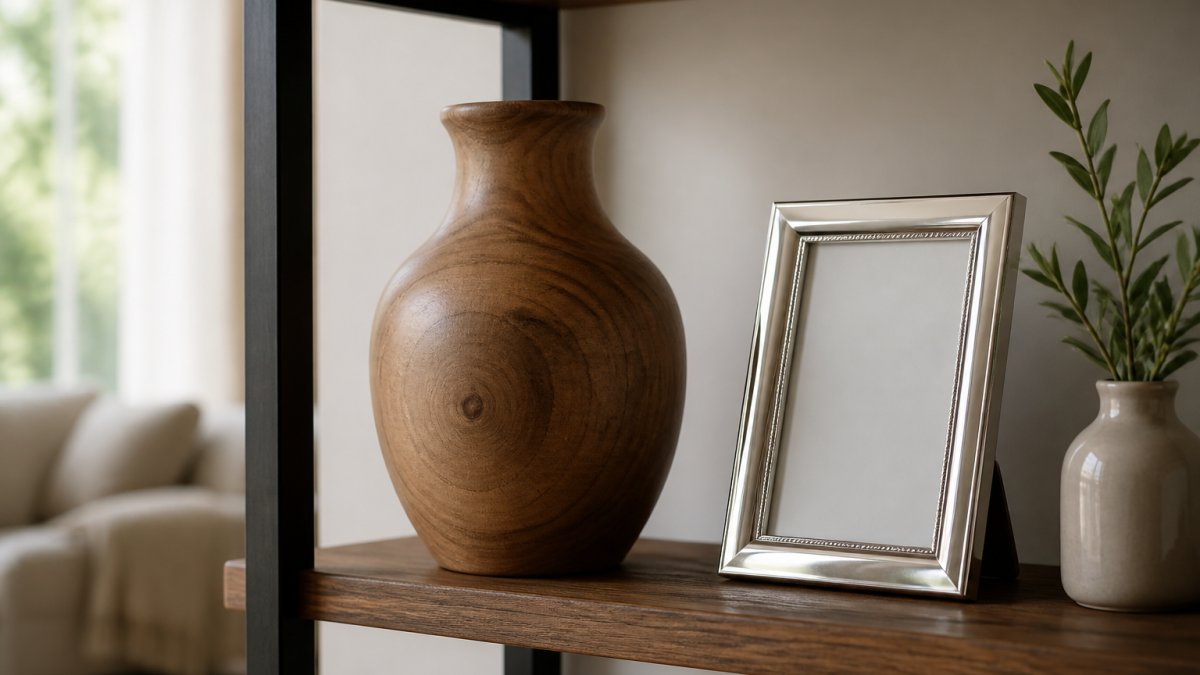
The key is proportion and intentionality. Don't fill your space with vintage pieces and call it eclectic.
Eastern Retro Hand Blown Glass Vase Yellow W/Blue Green Swirl 8” →
Look for vintage items with strong bones and minimal ornamentation. A mid-century wooden dresser with clean lines works; a heavily ornate Victorian chair probably doesn't.
Modern pieces should respect the quality and craftsmanship of vintage items.
The color palette ties everything together. If your vintage piece is a warm wood tone, modern pieces should respect that warmth; if it's a neutral ceramic, contemporary accessories should maintain that restraint.
The Durability Test: Will This Purchase Age Well?
Before buying any piece, ask three questions. First: Can it be repaired? A scratched wooden table can be refinished, a worn leather sofa reupholstered, a ceramic vase is permanent, but a particle board bookshelf with a broken shelf cannot be fixed. Repairability is a sign of timeless design.
Second: Will it look better or worse in five years? Quality leather softens, well-made wood develops character, and a neutral linen sofa looks better worn than new, while cheap upholstery pills and trendy colors date almost immediately.
Third: Does it solve a real problem in my space, or am I buying it because it's on trend? Timeless pieces earn their place because they're needed, not fashionable.
Budget Tiers and Smart Prioritization
You don't need unlimited funds to build a timeless home. Strategic prioritization matters more than total spending. Invest heavily in pieces you use daily and see constantly.
Tier 1 investments, spend generously here, include your bed, sofa, dining table, and primary lighting fixtures. These anchors affect daily comfort, hours of use, and the mood of the entire room.
Tier 2 investments, spend moderately, include dining chairs, bookcases, area rugs, and secondary furniture. Quality matters, but you have flexibility: a neutral area rug grounds a room for years.
Tier 3 items, spend less here, are decorative accessories, artwork, throw pillows, and smaller decor. Experiment with color or pattern because they're easy to change.
Sustainability and Secondhand Sourcing for Timeless Pieces
The most timeless pieces are often those that already exist.
Apply the same criteria to vintage as to new: quality materials, clean lines, good condition.
According to the Environmental Protection Agency's sustainable materials guidance, extending the life of existing products through reuse and repair is one of the most effective environmental strategies.
Frijja's collection includes limited antiques and vintage pieces curated for lasting appeal and quality construction.
When sourcing secondhand, verify authenticity and condition. Ask about the item's provenance. Look for maker's marks or signatures. Examine construction carefully.
Building a timeless home is about choosing quality over quantity, durability over novelty, and intention over impulse.
The Wood Vase Flower Mango Wood Carving from Frijja exemplifies these principles: handcrafted from natural materials with carved details that highlight the wood's grain, it's designed to age gracefully and serve as a lasting focal point in any room.

Building a timeless home requires patience and intentionality, but the payoff is a space that feels authentic and enduring rather than perpetually chasing trends.
Frequently Asked Questions
What does timeless mean in interior design?
Timeless interior design means choosing pieces and styles that remain visually appealing and relevant for decades, not just seasons. It relies on durable materials, clean lines, neutral palettes, and quality craftsmanship rather than trend-driven shapes or colors. A timeless room feels current without screaming a specific year or trend. The focus is on proportion, balance, and functionality that transcend passing fads, allowing you to update accessories and textiles without replacing core furniture and architectural details.
How do you choose a decorating style that won't feel dated in five years?
Start by identifying classic design principles: neutral wall colors, quality furniture with simple silhouettes, and natural materials like wood and stone. Avoid trend-driven patterns and colors in large pieces; save bold choices for accessories you can swap easily. Choose a foundational style, such as minimalist, traditional, or mid-century modern, and stick with it consistently. Invest in investment pieces with lasting appeal, and use decorative accessories like textiles and artwork to express personality without committing to fleeting trends. Test whether a purchase will age well by asking if it will look good in five years without major updates.
What materials and finishes age well in home decor?
Natural materials like solid wood, stone, ceramic, and glass age beautifully and develop character over time. Wood with natural finishes or matte stains hides wear better than high-gloss surfaces. Stone and ceramic are durable and improve with patina. Avoid materials that show every fingerprint or scratch, such as high-gloss lacquer or thin veneers. Handcrafted pieces made from quality materials, like the handmade mango wood vase available at Frijja, showcase natural grain and carving details that enhance rather than diminish with age. Textiles in natural fibers like cotton and linen also wear gracefully and can be easily refreshed.
How can I mix handcrafted vintage decor with modern elements without creating a cluttered look?
Balance is key. Use a neutral palette as your foundation, then layer in vintage and modern pieces with intention. Limit yourself to two or three statement pieces per room, perhaps a handcrafted ceramic vase or antique bowl, and surround them with clean-lined modern furniture. Group similar items together rather than scattering them, and ensure each piece has breathing room. Vintage pieces with simple shapes and natural materials (like a glass or ceramic vase) pair naturally with modern decor. The Vintage Mikasa Carmen crystal bowl from Frijja, with its classic floral pattern and scalloped edges, works beautifully alongside contemporary tableware and minimalist centerpieces.
Should I buy trendy decor accessories if they're inexpensive?
Trendy accessories are fine if you're willing to replace them within 1-2 years. If budget is tight, invest trendy money in items you'll swap seasonally, pillows, artwork, small textiles, rather than larger pieces. Core furniture and architectural elements should prioritize lasting appeal over current trends. Handcrafted and vintage pieces often cost more upfront but provide lasting value because they don't feel dated. A piece designed by local artisans or sourced from antique collections typically outlasts trend-driven mass-produced items in both durability and aesthetic relevance.
How do I know if an antique or vintage piece is authentic?
Look for maker's marks, signatures, or backstamps that indicate origin and era. Research the maker or brand to verify production dates and styles. Examine construction methods, handcrafted details, joinery, and materials should match the claimed period. Ask sellers for documentation or provenance when available. Be cautious of pieces that look artificially aged or have inconsistent wear patterns. Authentic vintage items show honest signs of age and use, while reproductions often appear too uniform or perfect.
What's the best way to update a dated room without replacing everything?
Start with the walls: repaint in a neutral, timeless color to immediately refresh the space. Update lighting fixtures and hardware, which have outsized visual impact. Replace or refresh textiles like curtains, pillows, and rugs with pieces in neutral tones or classic patterns. Swap out artwork and decorative accessories to reflect current personal style. Keep quality furniture pieces with good bones and simple lines; add new cushions or upholstery if needed. Introduce one or two handcrafted or vintage pieces, like a statement vase or antique bowl, to add character. This layered approach costs less than a full redesign while achieving a cohesive, modern-feeling room.
Is buying secondhand or vintage decor actually sustainable, and does it save money?
Yes on both counts. Secondhand and vintage pieces reduce demand for new manufacturing, which conserves resources and reduces waste. Buying from antique dealers and vintage collections means pieces stay in use rather than in landfills. Financially, quality vintage and handcrafted items often cost less than new designer equivalents while offering unique character and better durability. A vintage ceramic bowl or handmade wooden vase provides lasting value because it won't feel dated or fall apart. Investing in fewer, better pieces, whether new artisanal items or authenticated vintage finds, costs less over time than repeatedly replacing trendy decor.
0 comentários