

Table of Contents
- How to Buy Handcrafted Artisanal Decor Online
- Verify Craftsmanship and Artisan Provenance
- Shopping for Handmade Home Decor Online
- Evaluating Artisan Home Decor Quality and Value
- Finding Affordable Artisan Decor Without Compromising Quality
- Shipping, Returns, and Damage Protection
- Care and Maintenance for Handcrafted Pieces
- Frequently Asked Questions
Last Updated: October 18, 2026
How to Buy Handcrafted Artisanal Decor Online
When you buy handcrafted artisanal decor online, you're navigating a marketplace where quality, authenticity, and value vary dramatically. At Frijja, we help customers find genuine handmade pieces that transform their spaces without breaking the bank, the challenge is knowing which options are worth your money and will arrive in perfect condition.
This guide shows you how to verify craftsmanship, assess quality, evaluate pricing, and protect yourself during shipping.
Verify Craftsmanship and Artisan Provenance
The biggest mistake when buying handcrafted artisanal decor online is skipping verification. You can't hold the piece before purchase, so do your homework on the maker.
Check for Maker Details and Origin
Look for seller profiles with specific information about who made the piece.
Ask whether the seller names the artisan or studio, explains where the piece originates, and can be found on social media or their own website.
If a seller won't provide maker bios and origin information, shop elsewhere. Frijja features detailed information about our handcrafted and uniquely designed items.
Examine Materials and Construction
Read the product description for material specifics. Handcrafted pieces should list exact materials: "hand-blown glass," "carved mango wood," "ceramic with glazed finish." Generic descriptions like "decorative item" suggest mass production.

Look for construction details only handmade pieces have: varied hand-painted finishes, natural wood grain, unique glaze patterns. These aren't flaws, they're proof of authentic handwork.
Compare the product photos to the description. Do the materials look consistent? Our consumer protection guidance on product authenticity recommends verifying that product descriptions match visual evidence in photos.
Shopping for Handmade Home Decor Online
Once you've verified the maker and materials, focus on whether the piece actually fits your space and matches what you're seeing online.
Assess Product Photos and Descriptions
Quality photos matter when buying handcrafted artisanal decor online. You need multiple angles, close-ups of texture, and ideally a photo showing scale.

Zoom in to examine finish quality: brush strokes, crisp carved details, intentionally varied glaze. These details confirm handwork.
Read the full description, including dimensions.
Check whether the seller offers video tours or 360-degree views. Frijja provides detailed product photography and descriptions.
Measure Before You Buy: A Practical Sizing Method
1. Measure the landing zone, not just the object. Record available width, height (including clearance above), and usable depth.
**2.
3. Translate visual weight, not just inches. A 10-inch stone sculpture reads heavier than a 14-inch glass vase.
**4.
5. Check the drop zone. For wall-mounted pieces, confirm the hanging hardware and weight rating, and measure clearances above and below.
Room-by-Room Sizing Examples
- Living room console or sideboard: A single large vase or sculpture at roughly one-third the console width anchors the surface. Pair it with a lower, wider object to create a triangle of visual weight rather than a row of same-height items.
- Dining table centerpiece: Keep the piece low enough to see across the table, a common target is under about 12 inches tall for seated conversation, or choose a tall, narrow piece that occupies little visual width.
- Entryway: A narrow console needs shallow-depth decor. Measure the walkway clearance; a piece that protrudes more than a few inches into a traffic path becomes a hazard.
- Bedroom nightstand or dresser: Scale to the furniture. A small hand-thrown bud vase suits a nightstand; a large sculptural piece belongs on a dresser or floor.
- Bookshelf: Measure shelf height and depth, and leave headroom above the piece. Grouping three objects of varying heights usually reads better than one isolated item.
Coordinate With Your Existing Decor
Handcrafted items are often bold, but they need to work with your palette and style.
If you're uncertain, check whether the seller offers returns or exchanges. Confirm who pays return shipping for oversized or fragile items before you order, since that cost can rival the price of a small piece.
Evaluating Artisan Home Decor Quality and Value
Price alone doesn't tell you whether you're getting quality. You need to evaluate craftsmanship against cost.
Assess Price Against Craftsmanship
Handcrafted artisanal decor costs more than mass-produced alternatives because someone spent hours making it.
Compare similar pieces across retailers.
Look at what's included. Our pricing transparency standards mean you see the full cost upfront with no hidden charges.
Consider longevity. A well-made handcrafted piece should last decades. That changes the value calculation.
Read Customer Reviews and Feedback
Customer reviews are your window into real-world experience.
Be skeptical of perfect 5-star ratings with generic praise. Real reviews mention both strengths and limitations, "Love this piece, but it's smaller than I expected" is more credible than "Perfect in every way."
Pay attention to reviews mentioning shipping and condition. Handcrafted pieces are fragile, did they arrive safely, and how was the packaging?
Finding Affordable Artisan Decor Without Compromising Quality
You don't need to spend hundreds to get genuine handcrafted pieces. Strategic shopping helps you find value.
Look for emerging artisans.
Shop seasonal sales and collection rotations. Artisan retailers refresh inventory regularly. Older pieces sometimes go on sale to make room.
Consider smaller or simpler pieces. A small hand-carved wooden accent costs less than a large sculptural piece but represents the same craftsmanship.
Wood Vase Flower Mango Wood Carving Handmade Thailand Home Decor - 4.5" x 12" →
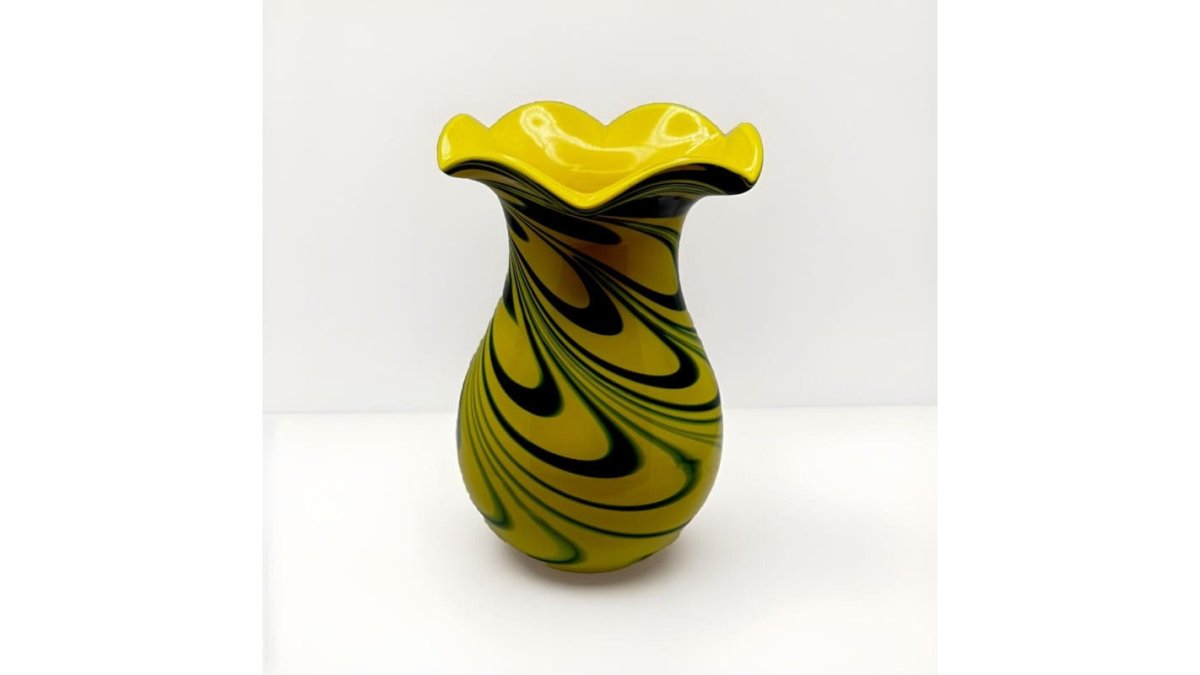
Frijja offers affordable handcrafted home decor options like our Wood Vase Flower Mango Wood Carving Handmade Thailand Home Decor at $34.99 and our Eastern Retro Hand Blown Glass Vase Yellow W/Blue Green Swirl 8" at $29.99.
Shipping, Returns, and Damage Protection
How a seller handles logistics reveals their commitment to customer satisfaction.
Confirm Shipping Policies and Tracking
Before purchasing, check the seller's shipping policy: national or international, timeline, and real-time tracking, essential for expensive handcrafted pieces.
Ask whether the seller uses specialty packaging for fragile items, foam inserts, custom boxes, or signature-required delivery.
Many retailers offer shipping insurance, which protects you if a piece arrives damaged.
Understand Return and Refund Options
Read the return policy carefully before buying. Some artisans don't accept returns because each piece is unique; others offer 30-day returns. Understand the terms upfront.
Check who pays return shipping. If the seller covers it, that's a sign they stand behind their work; if you're responsible, factor it in, return shipping for fragile handcrafted items can be expensive.
Know What to Do if Your Piece Arrives Damaged
Despite careful packaging, damage sometimes happens.
Reputable sellers replace damaged items or issue refunds without hassle. If a seller refuses to help, that's a major red flag.
Keep the original packaging until you're certain the piece arrived in perfect condition, some sellers require it for warranty purposes.
| Shipping Consideration | What to Check | Why It Matters |
|---|---|---|
| Tracking | Real-time updates available | Know when piece arrives and catch damage early |
| Packaging materials | Foam, custom boxes, protective wrapping | Prevents damage during transit |
| Insurance options | Available and reasonably priced | Protects your investment if something goes wrong |
| Return shipping | Seller-paid vs. buyer-paid | Affects total cost if you need to return |
| Damage protocol | Clear replacement/refund process | Ensures you're protected if piece arrives broken |
Care and Maintenance for Handcrafted Pieces
Your handcrafted artisanal decor deserves proper care to maintain its beauty and value. The most useful habit is to read and keep the care instructions your seller provides, handmade pieces often need different handling than mass-produced equivalents. Below is material-by-material guidance on durability, cleaning, and common failure points.
Pottery and Ceramics
Durability: Fired clay is durable but brittle. Glazed surfaces resist staining; unglazed earthenware is porous and absorbs moisture and oils.
Cleaning: Hand-wash glazed pieces with mild dish soap and a soft sponge.
Watch for: Hairline cracks around handles and rims. Avoid displaying porous pieces in humid rooms where they can absorb moisture.
Glass
Durability: Hand-blown glass varies in wall thickness, part of its character, but also a stress point. Sudden temperature changes and hard contact are the main risks.
Cleaning: Hand-wash with warm (not hot) water and mild soap. Avoid abrasive sponges. Dry with a lint-free cloth.
Watch for: Chips on rims and bases. Store or display away from high-traffic edges where accidental contact is likely.
Wood
Durability: Solid wood expands and contracts with humidity.
Cleaning: Dust with a soft, dry cloth. Wipe occasionally with a barely damp cloth and dry immediately. Avoid soaking and harsh cleaners.
Watch for: New cracks, loose joints, and fading. Keep wooden pieces out of direct sun and away from heating vents and radiators.
Woven Fibers (Baskets, Rattan, Seagrass, Jute)
Durability: Natural fibers dry out and can become brittle; moisture encourages mold and warping. Sun exposure fades natural dyes.
Cleaning: Dust regularly with a soft brush or vacuum attachment.
Watch for: Musty odors, fraying at handles, and shape distortion. Keep woven pieces dry and rotate them occasionally so they wear evenly.
Textiles (Rugs, Throws, Wall Hangings)
Durability: Natural fibers and hand-dyed yarns can bleed or fade. Abrasion in high-traffic areas is the main wear mechanism.
Cleaning: Vacuum gently and rotate rugs for even wear. Blot spills rather than rubbing. Follow the maker's spot-cleaning guidance, many hand-dyed pieces shouldn't be machine-washed.
Watch for: Color transfer, shedding, and sun fading. Keep textiles out of prolonged direct sunlight.
Metal and Mixed-Material Accents
Durability: Patinas and finishes are often intentional and change over time. Moisture accelerates tarnish and corrosion.
Cleaning: Dust with a soft cloth. Avoid abrasive polishes on patinated or aged finishes, which can strip the surface. Keep pieces dry unless the maker says otherwise.
General Rules That Apply to Every Material
- Sunlight: UV exposure fades hand-painted finishes, natural dyes, and wood tones. Rotate pieces or use window treatments to limit direct exposure.
- Temperature and humidity: Extreme swings cause cracking in ceramics and glass and movement in wood. Keep pieces away from heating and cooling vents.
- Handling: Lift from the base, not the rim or handle. Many handcrafted items are one-of-a-kind or part of limited collections; treating them with care preserves both their physical condition and your enjoyment of them.
- Storage: Wrap fragile pieces individually, avoid stacking ceramics rim-to-rim, and store textiles rolled rather than folded when possible.
Our Wood Vase Flower Mango Wood Carving Handmade Thailand Home Decor simply requires wiping with a damp cloth, preserving its carved details and natural wood grain.
Frequently Asked Questions
How can I tell if home decor is genuinely handmade when buying artisanal decor online?
Look for specific maker information, including the production method. Genuine handcrafted pieces should have minor variations, visible hand marks, or slight imperfections that mass-produced items lack.
What should I check before buying artisan home decor online?
Verify the seller's return policy, shipping costs, and estimated delivery time. Examine high-quality product photos from multiple angles and read customer reviews mentioning durability and condition upon arrival. Confirm material composition and care instructions match your lifestyle and home environment. Check the seller's background, established artisan retailers provide transparent information about their makers and sourcing practices. Ensure the piece's dimensions fit your space by comparing measurements to your furniture and walls.
Is handcrafted home decor more expensive than mass-produced decor?
Handcrafted pieces typically cost more upfront because each item requires hours of skilled labor, premium materials, and individual attention. However, affordable artisan decor exists at various price points, from budget-friendly handmade ceramics under $15 to investment pieces over $100. The value comes from durability, uniqueness, and supporting artisans directly. While mass-produced decor may be cheaper initially, handmade pieces often outlast faster-fashion alternatives, making them better long-term investments for your home.
How should I care for handcrafted home decor after purchase?
Care depends on the material. Always follow the seller's specific care instructions, as handmade items may have finishes or treatments that differ from commercial versions. Store delicate pieces away from direct sunlight, extreme temperature changes, and high-traffic areas to preserve their beauty and integrity over time.
0 comentários